
Potomac, MD · Montgomery County
Clogs Coming Back? Hydro Jetting in Potomac, MD Scours the Pipe Wall Instead of Poking a Hole
A line that clogs every few weeks is not an unlucky line. Jetting scours the whole pipe wall, but only when the pipe can take it. This page covers when it fits and what to confirm first.
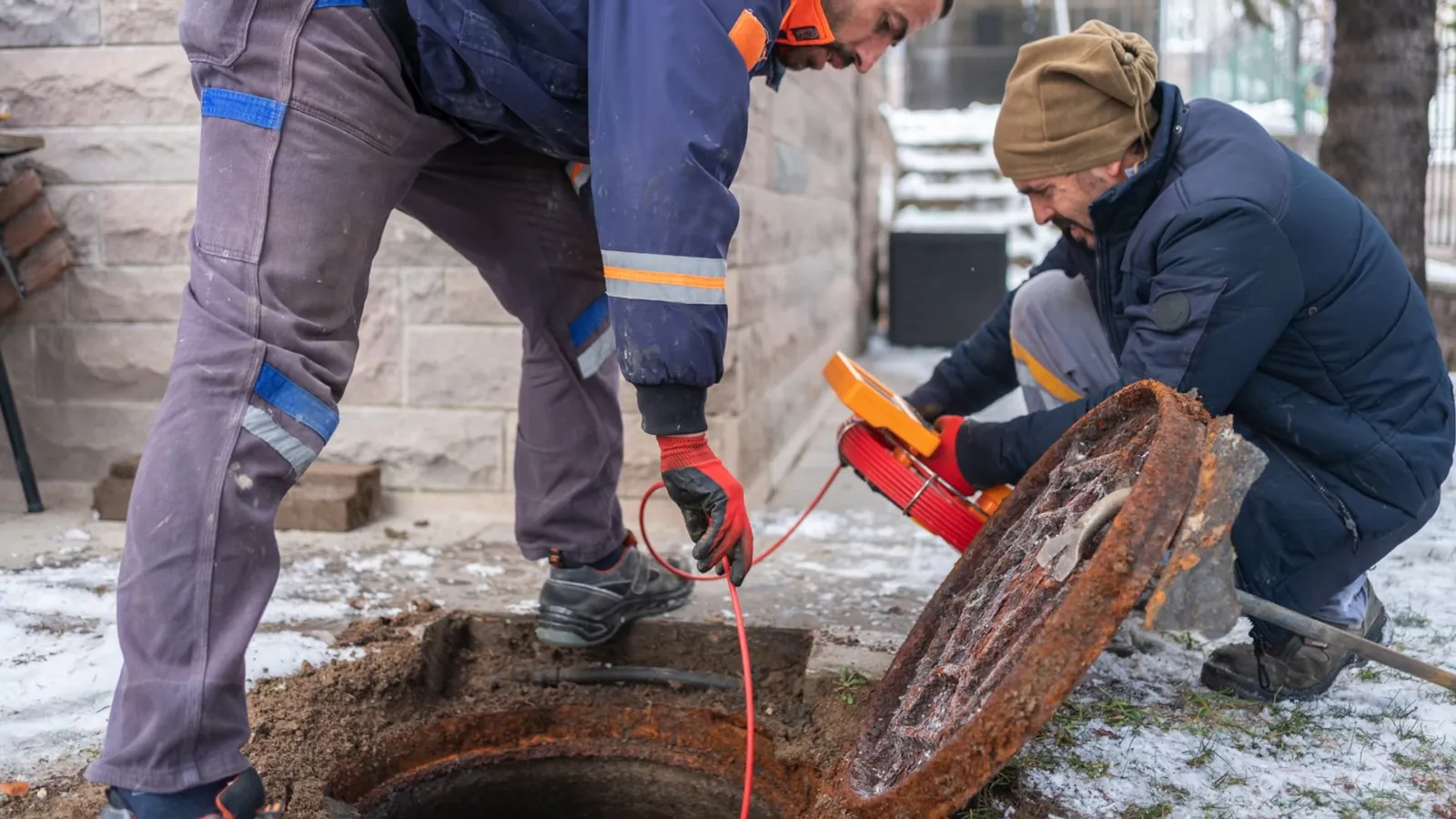
A snake or a jet: what each tool does to the pipe
When a drain clogs again within weeks, the likely reason is that the earlier visit opened a channel without cleaning the pipe. A snake drives a head through the blockage and pulls some of it out. What clung to the wall stays, and the next layer builds on it.
Hydro jetting is different. A nozzle on a hose sends pressurized water forward and backward at the pipe wall, stripping grease, scale and loose roots along the whole length it reaches. It is the right tool when the problem is buildup, not a single object.
| The situation | Usually the right tool | Why |
|---|---|---|
| A hairball or a dropped object in one fixture | Hand tool or a small snake | A single obstruction, not a coated pipe |
| The same line clogs every few weeks | Hydro jetting | Buildup on the wall keeps narrowing the pipe |
| Kitchen line coated with grease | Hydro jetting | Water scours grease that a snake only pierces |
| Roots entering at a joint | Cutting, then jetting, then repair | Jetting clears debris, but the joint still needs fixing |
| Pipe is cracked, collapsed or offset | Repair first | Pressure will not fix a broken pipe |
This page covers the high-pressure method. For simple clogs, see clearing a clogged drain.
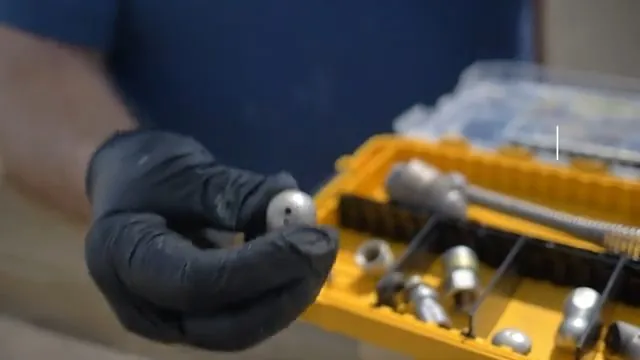
Camera first: is the pipe sound enough to jet?
High-pressure water is not gentle, and a pipe that is cracked, thin or poorly joined can be damaged by it. That is why a camera look belongs before the jetting, not after. The footage shows whether the pipe can take the pressure and tells the plumber what pressure and nozzle to use.
Ask what the camera showed and where. If the answer is a clean, intact pipe with grease or scale on the wall, jetting is a sound choice. If the footage shows cracks or a collapsed section, the right next step is a repair, and jetting would only wash the problem downstream.
- What did the camera show before the jetting started?
- Is the pipe cast iron, clay, plastic or something else, and how old is it?
- Is there damage that should be repaired first?
- What was the condition of the pipe wall after cleaning?
Line keeps clogging?
Ask for a camera inspection and a cleaning plan, and a plumber serving your area takes it from there.
What is building up in the line: grease, scale or roots
The cause decides what comes next. Grease comes from kitchens and gives a coating that is soft when warm and hard when cool. It narrows the pipe a little more with every dishwasher cycle. Scale is mineral buildup, often on older iron pipes, and it makes a rough surface that catches debris. Roots enter at joints and cracks and grow into dense mats.
Each calls for a different follow-up. Grease calls for a change in what goes down the drain and a recurring schedule if the use is heavy. Scale in an old pipe may be a sign that the pipe is near the end of its life. Roots mean the line has an opening, which jetting clears but does not close.
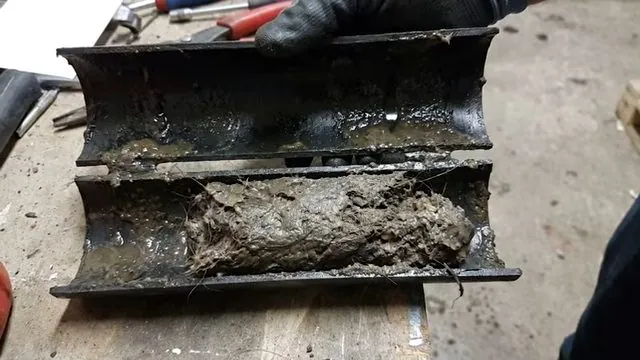
Roots are a reason to look at the pipe itself. After jetting, ask the plumber whether the line needs a repair. If it does, the repairing a damaged sewer line page explains the options and what WSSC requires.
Where the tool goes in, and who is allowed to work the line
Jetting needs access. A cleanout, a floor drain or a removed toilet is the usual entry. Ask the plumber where they plan to enter the line and how far the hose will travel. A longer run means more hose and more time, which is worth knowing when comparing quotes. Large lots can mean long runs between the house and the street.
For a sewer service line, WSSC says plumbers and sewer drain cleaners must be registered with WSSC to work in Montgomery County. Ask for the registration number. If the blockage turns out to sit in WSSC's section of the line, the plumber reports it and WSSC sends a crew, but the homeowner still pays the plumber's bill. Ask the plumber to write down where the buildup was.
Kitchen line, main line or both: how the job differs
A kitchen branch carries grease and food residue, and it is usually a short run that is easy to reach from a cleanout or the sink. A jetting visit there can be quick, and the result shows in how fast the sink drains afterward. A main line carries everything from the house, and the run to the street can be long, with more places for roots and scale to hold on.
When both are slow, ask the plumber which they are treating and why. Cleaning the kitchen branch while the main stays coated gives a short improvement. If the whole house is slow, the main needs attention, and the camera tells you whether it is clean enough to leave or needs jetting too.
- Which line is being jetted, and from which access point?
- How far does the hose reach, and does that cover the whole run?
- What does the pipe wall look like afterward?
- Is anything left behind that the plumber could not remove?
After the jetting: a schedule and a record
Jetting resets the pipe, but it does not change what caused the buildup. Make a plan before the plumber leaves.
- Ask for a recording or a description of the pipe wall after cleaning.
- Ask what to change: kitchen grease habits, wipes, a damaged section or a problem tree.
- Ask for a recommended interval, if one is needed, based on what was found.
- Keep the invoice, the registration number and a note of the distance jetted.
For wide price ranges on jetting, see the hydro jetting price ranges. If the line has already backed up into the house, cleanup and drying covers what comes next.
Jetting questions that decide the visit
What is the difference between hydro jetting and snaking?
A snake pokes a hole through a blockage, leaving residue on the pipe wall. Hydro jetting sends high-pressure water through a nozzle that scours the pipe wall clean along its length. Jetting suits repeat clogs from grease or buildup, while a snake is fine for a simple, isolated blockage.
Is hydro jetting safe for older pipes?
Not always. A fragile, cracked or collapsed pipe can be damaged by high-pressure water, so a camera inspection should come first. Ask the plumber to confirm that the pipe is sound enough, and to tell you what they saw.
How often should a line be jetted?
There is no set schedule that fits every house. Repeat clogs from kitchen grease or scale may justify a recurring visit, while a one-time buildup may never need it again. Ask the plumber to set an interval based on what the camera showed.
Same clog, again?
Tell us how often the line has backed up and what has been tried. It routes you to a plumber serving your area.