
Potomac, MD · Montgomery County
Sewage Backing Up or Roots in the Line? Sewer Line Repair in Potomac, MD Starts With a Camera
A sewer line failure turns into a legal and logistical question as well as a plumbing one. This page explains who owns the line, what the camera should show and what WSSC requires before the first shovel goes in.
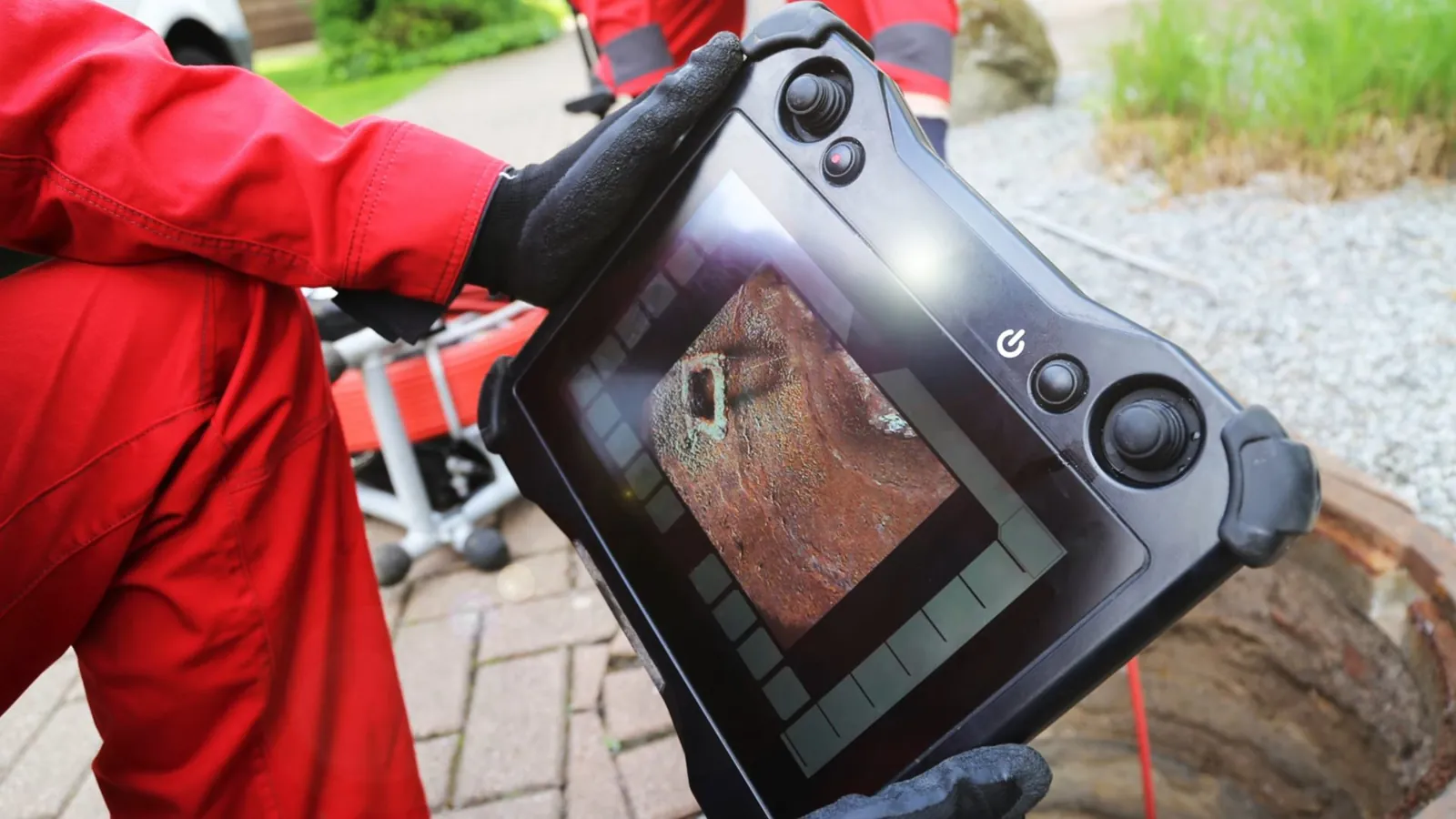
Blocked or broken: what the symptoms say about the line
A sewer problem looks like a drain problem at first, because the symptom is the same: water that will not leave. The difference is in the pattern. A blocked line clears when it is cleaned. A broken line clears and then fails again, because the damage keeps catching debris.
A basement floor drain that backs up when upstairs fixtures run points to the main line. Gurgling in toilets after the washer drains does too. If more than one fixture shows it, or if sewage comes up at the lowest drain, stop using water and call. The clogged drain basics page covers the steps for a single fixture.
- Repeated backups after cleaning, within weeks or months.
- Sewage smell in the yard or a wet, unusually green patch along the line.
- A slow drain in every fixture, not just one.
- A sinkhole or sunken stripe in the lawn over the line.
- Backups that begin after tree growth near the line or after nearby construction.
These are reasons to ask for a camera inspection, not reasons to dig. Digging without knowing where the damage is turns a single-spot repair into a trench.
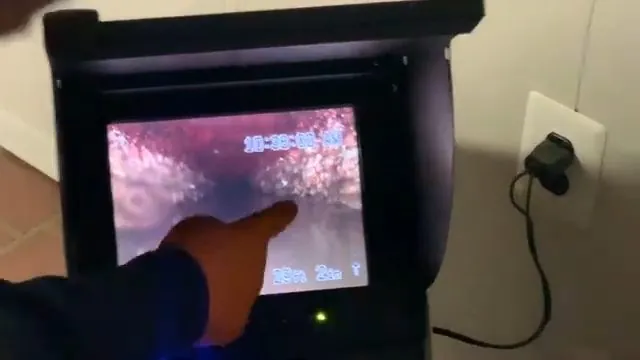
What the camera should show, and what you should keep
A camera inspection is the step that decides everything else. It shows whether the line is blocked or damaged, where the damage sits and how bad it is. It also gives you something to compare against if you want a second quote.
- Root intrusion at joints, shown as fine hairs or a dense mass.
- Cracks or breaks in the pipe wall, often with soil visible behind them.
- Offset joints where sections have shifted apart.
- Bellies, low spots where water pools and solids settle.
- Scale, grease or debris narrowing the pipe.
Ask for the footage or a still image of each problem, plus the distance from the cleanout where it sits. A line that is clean and sound after cleaning needs no repair. One with a crack at 38 feet needs a repair at 38 feet, not a replacement of the whole run. If roots are the only issue, jetting the line may clear them while a repair plan is made.
Camera found damage?
Share the findings when you call, and a plumber serving your area takes it from there.
Spot repair, section replacement or the whole line
Once the damage is mapped, the choice is about how much pipe to fix. The right answer is the one the footage supports, not the biggest job a plumber can sell.
| Option | When it fits | Watch for |
|---|---|---|
| Spot repair | One break or one offset joint in an otherwise sound line | A second failure nearby, which suggests the pipe is aging along its length |
| Section replacement | A longer damaged stretch, often near the house or under a driveway | Where the new section joins the old pipe |
| Full line replacement | Damage throughout, or a pipe material prone to failing along its length | The disruption to the yard and the added inspection steps |
| Lining in place | A sound but cracked or root-prone pipe that has not collapsed | See lining the pipe without digging for the limits |
Large lots can mean a long run from the street to the house. The footage affects price and disruption, so ask the plumber to state how many feet each option covers and what will be restored afterward.
Who may dig, and what the permit and inspection involve
WSSC states that only a registered WSSC Water Master Plumber may excavate or repair underground sewer pipes, and that the plumber must secure a permit from WSSC and have WSSC inspect the work. Plumbers and sewer drain cleaners must also be registered with WSSC to work in Montgomery County. Ask for the registration number and check it before you agree to a repair.
The sewer service from the property line to the building is the owner's responsibility. Where the line joins a WSSC main, WSSC maintains only the connection to its main. If the plumber finds the failure in WSSC's section, the plumber reports it and WSSC handles that part, but the homeowner still pays the plumber's bill. WSSC's Claims Office at 301-206-7095 reviews reimbursement requests where roots or a broken WSSC pipe caused the problem.
For a short-form permit, WSSC says the homeowner or a representative must escort the inspector for inside and backyard inspections. Inspections are booked through 301-206-4004, using the permit number the plumber gives you. Plan for someone to be home.
Keep a written record of where the failure was, the permit number and the inspection result. If you apply to WSSC for reimbursement, that record is your evidence. If a backup has already damaged floors or walls, see cleanup after a sewer backup.
Before any digging: 811, private lines and the yard
Maryland's Miss Utility service marks underground public utility lines before digging, and the notice window is specific: call 811 or 1-800-257-7777 at least two full business days and no more than ten days before the work, and wait for every utility to respond. It does not mark private lines such as sprinklers, lighting or a septic system, so tell the plumber what is in the yard.
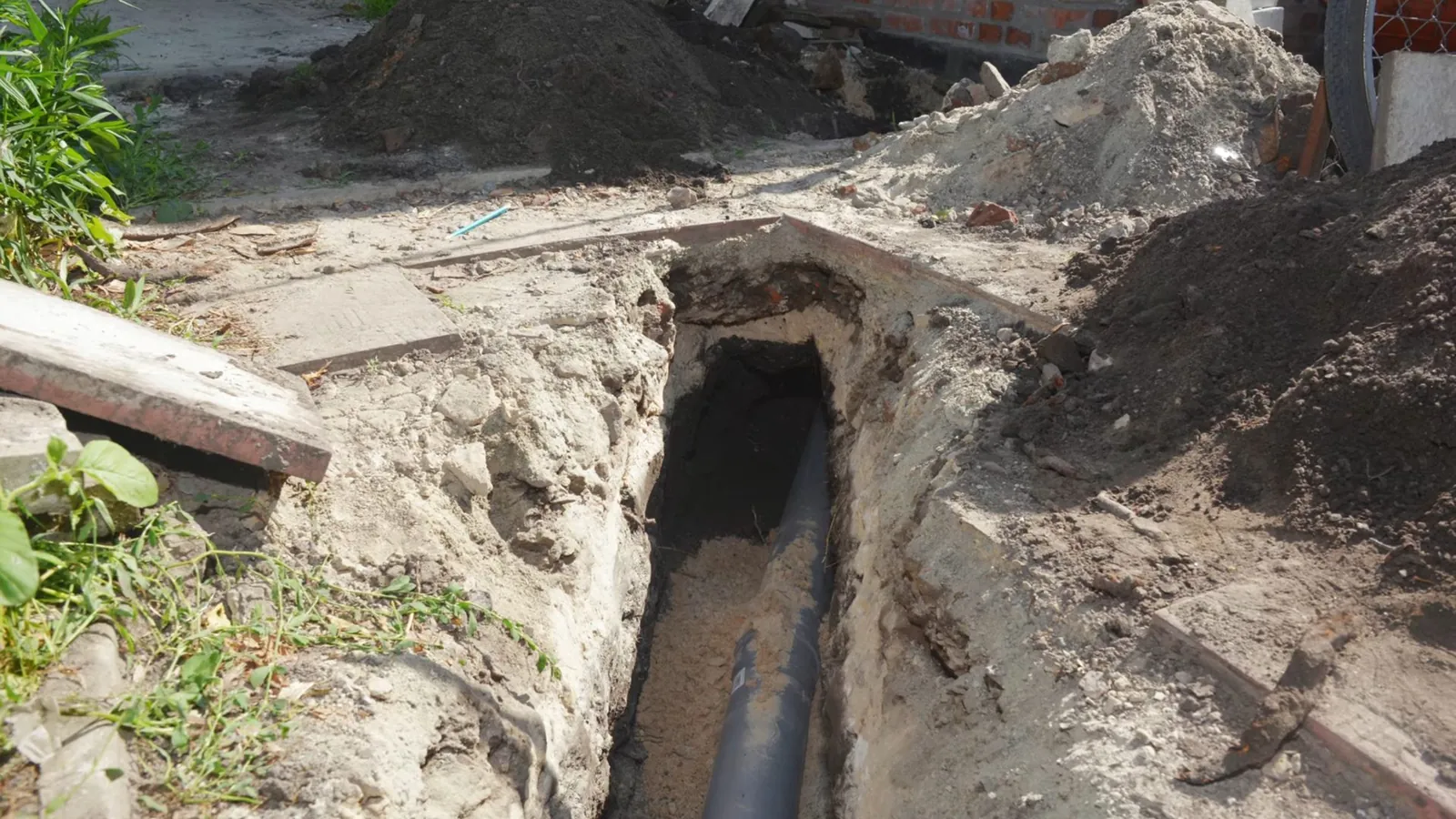
- Ask who is calling 811 and when. The plumber usually does, but confirm it.
- Point out sprinkler zones, buried lighting and any old abandoned lines you know of.
- Ask what the plan is for restoring grass, plants or pavement, and who handles it.
- Ask how the trench will be backfilled and inspected before it closes.
A sewer lateral is the pipe that carries wastewater from the house to the WSSC main. WSSC says the owner maintains the sewer service from the property line to the building, so a lateral repair on private ground is usually the homeowner's job. Older laterals were often cast iron or clay, which can crack, corrode or let roots in at the joints, and a camera inspection shows which material you have and where it has failed.
The sewer repair price ranges show what moves a quote for this kind of work. The answers about sewer and permit questions go into more detail on the rules above.
Commercial and industrial sewer lines in WSSC territory
A business sewer line carries bigger flows than a house line, and a business that discharges anything beyond ordinary sanitary waste is regulated. WSSC says every industrial user inside its jurisdiction must comply with Section 8 of the WSSC Plumbing and Fuel Gas Code. WSSC evaluates each user to decide whether a Discharge Authorization Permit is required, and a business that is unsure of its status can submit an Industrial Wastewater Survey.
Where a permit is required, WSSC issues it for a four-year term. Construction or changes to a facility's plumbing follow WSSC's facility construction and modification guidelines, and applications go through WSSC's online permitting. Repairs to underground sewer pipe on a commercial property still need a WSSC-registered master plumber and a permit, as they do at a house.
- Ask the property owner or manager who is responsible for the lateral: the owner, a tenant or a condominium association.
- Have a camera inspection done of the full run before a repair is scoped, and keep the recording.
- Tell the plumber what the business drains: restaurant, salon, laundry, car care, medical or ordinary offices.
- Ask whether the work touches a pretreatment device or a sampling point, and whether WSSC must be told first.
- Ask for the repair, the permit number and the inspection result in writing.
WSSC Permit Services answers permit and discharge questions at 301-206-4003.
Sewer line questions worth settling first
What does a sewer camera inspection show?
A camera on a flexible cable travels through the line and records what it sees: roots entering at joints, cracks, offset or separated sections, low spots that hold water, grease and scale. The distance from the cleanout is logged, so the repair can target one spot instead of searching.
Does a sewer repair need a permit in Montgomery County?
WSSC states that underground sewer excavation or repair must be done by a registered WSSC Master Plumber, who has to secure a permit from WSSC and have WSSC inspect the work. Ask the plumber to show you the permit number before digging starts.
Can I do a sewer repair myself?
WSSC allows homeowners some limited plumbing work, but it lists water and sewer service line repairs among the jobs that must be done by a WSSC-licensed plumber. Confirm with WSSC Permit Services at 301-206-4003 before attempting anything on a service line.
Sewer trouble in your yard or basement?
Describe the backup and any camera findings. A plumber serving your area takes it from there.