
Potomac, MD · Montgomery County
Slow or Backed-Up Drain? Drain Cleaning in Potomac, MD Starts With Finding the Blockage
Water is draining slowly, backing up or showing up where it should not. Tell us which fixtures are affected, and it routes you to a plumber serving Potomac who can find the blockage.
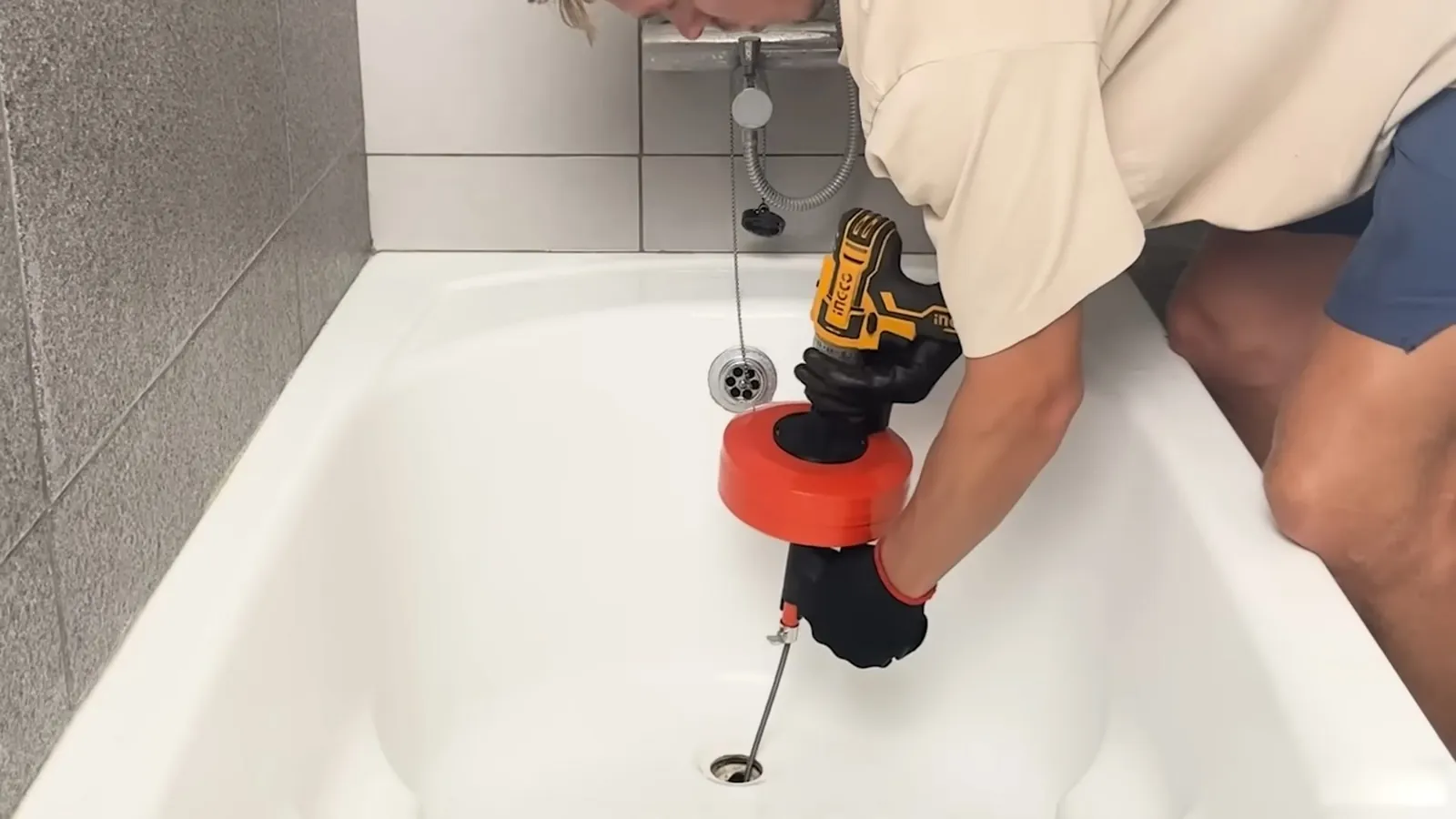
One slow drain or the whole house: how to tell where the clog sits
The first useful fact about a clog is where it sits, because that decides who fixes it and how. A sink that drains slowly while every other fixture works is a local problem. A basement floor drain that bubbles when someone upstairs runs the washer is a different problem altogether.
Walk through the house before you call and note which fixtures are affected. Two minutes of notes gives the plumber a head start and keeps the quote honest.
| What you see | Likely location | Who handles it |
|---|---|---|
| One sink, tub or toilet is slow, everything else is fine | That fixture's trap or its short branch | You, or a plumber for a stubborn clog |
| Several fixtures on one floor gurgle or drain slowly together | The branch line serving that floor | A plumber, ideally with a camera |
| The lowest drain, such as a basement floor drain or shower, backs up when upstairs fixtures run | The main line leaving the house | A WSSC-registered plumber; see the ownership section below |
| Sewage or wastewater is coming up in more than one place | The main line or a blockage downstream | Call now; stop using water in the house |
If water is rising at the lowest drain, stop running water in the house, including the washing machine and dishwasher. Every gallon you add goes to the same blocked line, and the lowest opening is where it ends up.
Plunger and drain tool steps to try first, and when to stop
A plunger, a hand-held drain tool and a few minutes at a single fixture are reasonable first steps for a slow sink, tub or shower. Pull the stopper and clear the hair that collects under it before anything else. For a clogged toilet, use a flange plunger and give it steady strokes rather than quick jabs.
- Remove the stopper or strainer and clean it, then run hot tap water for a minute.
- Use a plunger on one fixture at a time, with the overflow opening blocked on sinks and tubs.
- Keep water use low if more than one fixture is slow.
- Skip chemical drain cleaners. They rarely clear a main line clog, they can harm older pipe, and they leave caustic liquid for the next person who opens the line.
This page covers drains inside the house. Yard drains and French drains are different systems, so say on the call if that is what is backing up. Commercial kitchen grease lines are covered further down this page.
Stop when a second fixture shows the same problem, when plunging brings dirty water up in a different drain, or when you hear gurgling from a drain that was not in use. Those signs mean the blockage is past the fixture, and more effort at the sink will not reach it.
Backing up in more than one drain?
Say which fixtures are affected and which drain is lowest. A plumber serving your area takes it from there.
Snake first, or camera first?
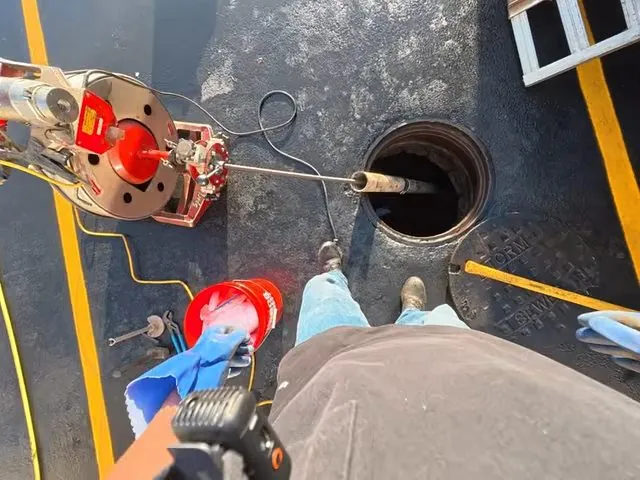
A motorized snake is the standard tool for clearing a clog, and for a single slow fixture it is often all that is needed. The catch is that a snake clears the path through the blockage without showing you what caused it. When the same line has been cleared before, a camera is the better first step.
A drain camera shows roots entering at a joint, grease coating the walls, a sagging section that holds water and fittings that have shifted. That picture turns a vague quote into a specific one, and it tells you whether cleaning is the right fix at all.
Ask for the camera footage or a written description of what was found and at what distance from the cleanout. A plumber who can say that a problem sits about 40 feet from the house is describing something you can compare with a second opinion.
- What did you find, and how far from the cleanout or fixture?
- Did the line clear fully, or is water still moving slowly?
- Is this a clog, or damage that cleaning will not fix?
- If it comes back, what do you recommend next, and what would it involve?
Whose pipe is it when the clog is outside the house?
Potomac is unincorporated, so the public sewer is WSSC Water's. WSSC states that the sewer service from the property line to the building is the property owner's responsibility. Where the line joins a WSSC main, WSSC maintains only the connection to that main.
That makes the plumber the right first call for a backup, not WSSC. WSSC says plumbers and sewer drain cleaners must be registered with WSSC to work in Montgomery County, so ask for the registration number before work begins and keep it with the invoice. You can check a plumber through the WSSC plumber lookup.
If the plumber finds the blockage in WSSC's section of the line, the plumber reports it and WSSC sends its own crew. The homeowner still pays the plumber's bill. WSSC's claims office, at 301-206-7095, reviews requests for reimbursement where roots or a broken WSSC pipe caused the problem. For an active backup, WSSC's 24-hour emergency line is 301-206-4002.
That is why the written report matters. Ask the plumber to state where the blockage was and what caused it, so you have it if you apply for reimbursement. If the line itself is damaged and needs digging, the work belongs on the main sewer line problems page, because only a WSSC master plumber may excavate underground sewer pipes and WSSC inspects that work.
When a clog keeps coming back
A clog that returns within weeks is telling you something. Wherever trees grow near the line, roots are a common reason for a main line to slow down again after a snake opens it. Grease is the usual cause in kitchen lines, and an older pipe with a rough or sagging section holds debris until it forms a blockage.
The right response depends on what the camera found. Roots in a joint might call for cutting and then a repair. A greasy line might call for hydro jetting, which uses high-pressure water to scour the pipe wall. A collapsed or offset section needs a repair rather than another cleaning.
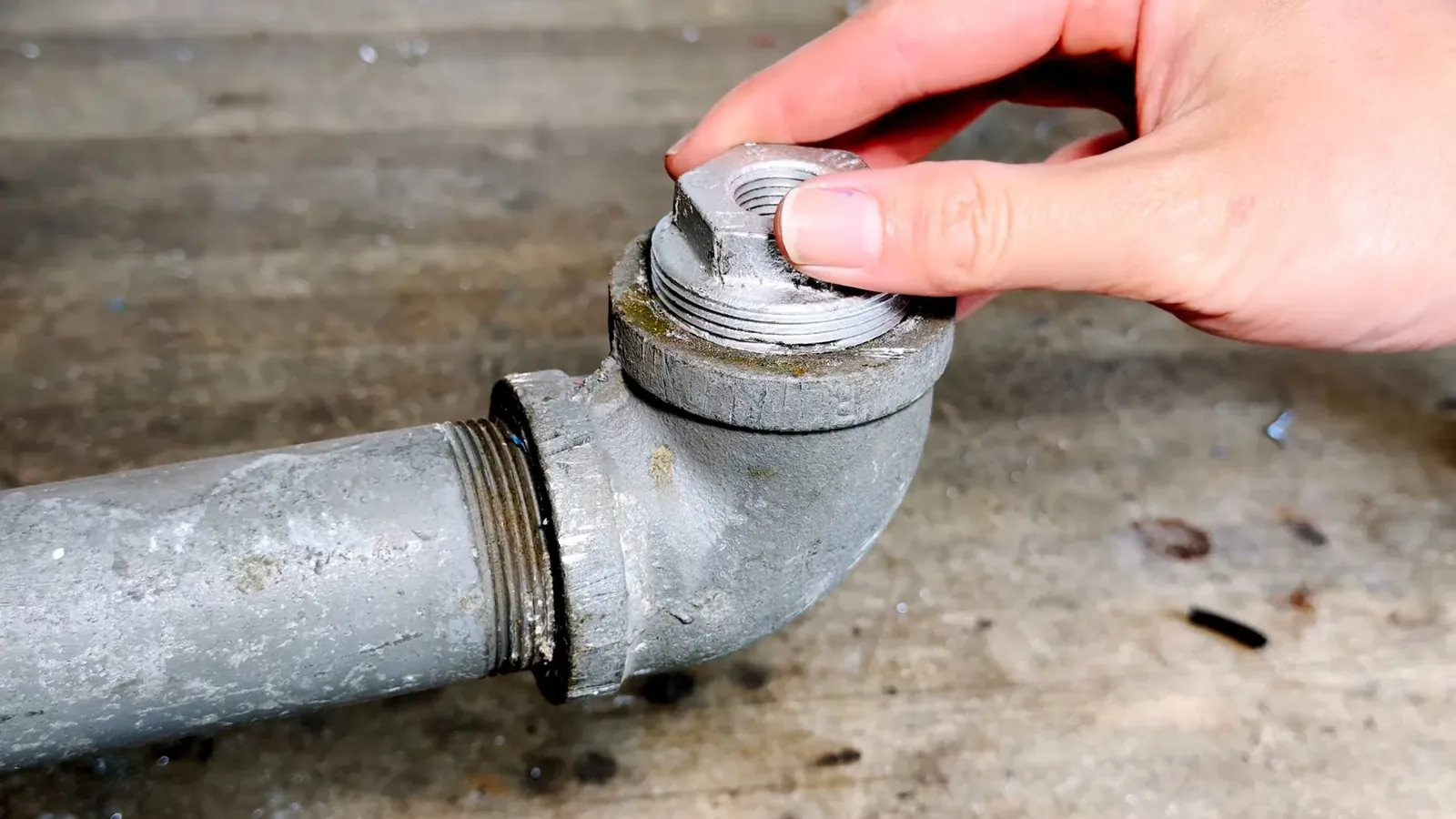
Routine maintenance keeps most clogs from starting. Run hot water after washing dishes, keep grease and wipes out of the pipes, fit strainers in showers and tubs, and flush a seldom-used drain with water now and then. If a drain slows more than once a year, ask a plumber about a periodic cleaning of that line.
Large lots often mean a long run between the house and the street. Ask any plumber how many feet of line they cleared or inspected, because the length of the run affects both the work and the price. If backups tend to follow heavy rain, say so on the call, because it helps the plumber narrow the cause.
Water that has come up through floor drains can soak carpet and drywall. If that has happened, see water damage cleanup after a backup, and photograph the area before anything is moved.
What to ask a plumber to document before you pay
A short written record protects you if the problem returns, if WSSC is involved or if your insurer asks questions. Ask the plumber for the following before they leave.
- Their name, license or registration number and the date of the visit.
- Which fixture or line was cleared and how far the tool or camera traveled.
- What was found: grease, roots, a foreign object, a sag or a broken joint.
- Whether the blockage sat on your side of the property line or in WSSC's section.
- What the plumber recommends if the problem recurs, and whether any work needs a permit.
Prices are quoted after diagnosis, and the cost page lists the drain cleaning cost factors that move a quote. A short, honest answer on the phone about what you see and which fixtures are affected usually leads to a better first visit.
Commercial kitchens and grease drains in WSSC territory
Restaurants, cafeterias and other food businesses have a different grease problem from a house. WSSC names cooking fats, oils and grease as one of the most frequent causes of sewer clogs, and it regulates them through a fats, oils and grease program for food service establishments.
Under that program, every food service establishment must apply for a WSSC discharge permit for fats, oils and grease and hold a health department license from its county. WSSC says all of these kitchens are subject to annual inspections and can be inspected at any time after a complaint or a report of a sewer blockage. Investigators check that every required fixture is connected to an adequately sized grease treatment device, and they can review maintenance records. WSSC also offers FOG training to food service establishments and to the haulers who pump grease waste.
- Keep dated records of every interceptor pump-out and every line cleaning.
- After a pump-out, look inside the interceptor to confirm it was cleaned fully.
- When a kitchen line backs up, say which fixtures are affected: floor sinks, prep sinks, dish machine or the main.
- Ask for a camera look at the line after clearing it, and keep the findings with the maintenance file.
- Ask the plumber whether the blockage was in the building's line or past the property line.
Clearing a clogged kitchen line is plumbing work. Pumping an interceptor is done by a grease hauler. A kitchen needs both on a schedule, and a repeat clog usually means the schedule is too loose. For permit or inspection questions, WSSC Permit Services is at 301-206-4003.
Questions about clogged drains in Potomac homes
Why does my kitchen sink keep backing up after it is cleared?
A kitchen line that clogs again within weeks usually has grease or food residue narrowing the pipe beyond the reach of a plunger or a short snake. Ask the plumber to run a camera and tell you whether the pipe needs a deeper cleaning, such as hydro jetting, or has a sag or joint problem.
How often should drains be professionally cleaned?
There is no fixed schedule that fits every house. Clean a line when it shows symptoms, and ask for a camera look if the same drain has clogged twice in a year, because repeat clogs point to a cause rather than bad luck.
Do chemical drain cleaners work on a main line clog?
They rarely help with a main line clog, and they leave caustic liquid standing in the pipe for whoever works on it next. If water is backing up at the lowest drain in the house, skip the chemicals and call a plumber.
Call about a clogged drain in Potomac
Describe which fixtures are slow and where the water shows up. A plumber serving your area takes it from there, and the quote comes after diagnosis.