
Potomac, MD · Montgomery County
Gas Smell or a Failed Appliance Hookup? Gas Line Repair in Potomac, MD Starts With a Safe Exit
A gas smell is an exit-first problem, and the repair that follows is regulated work. This page sorts out who to call, where the utility's pipe ends, and what WSSC requires before and after a gas job in Potomac.
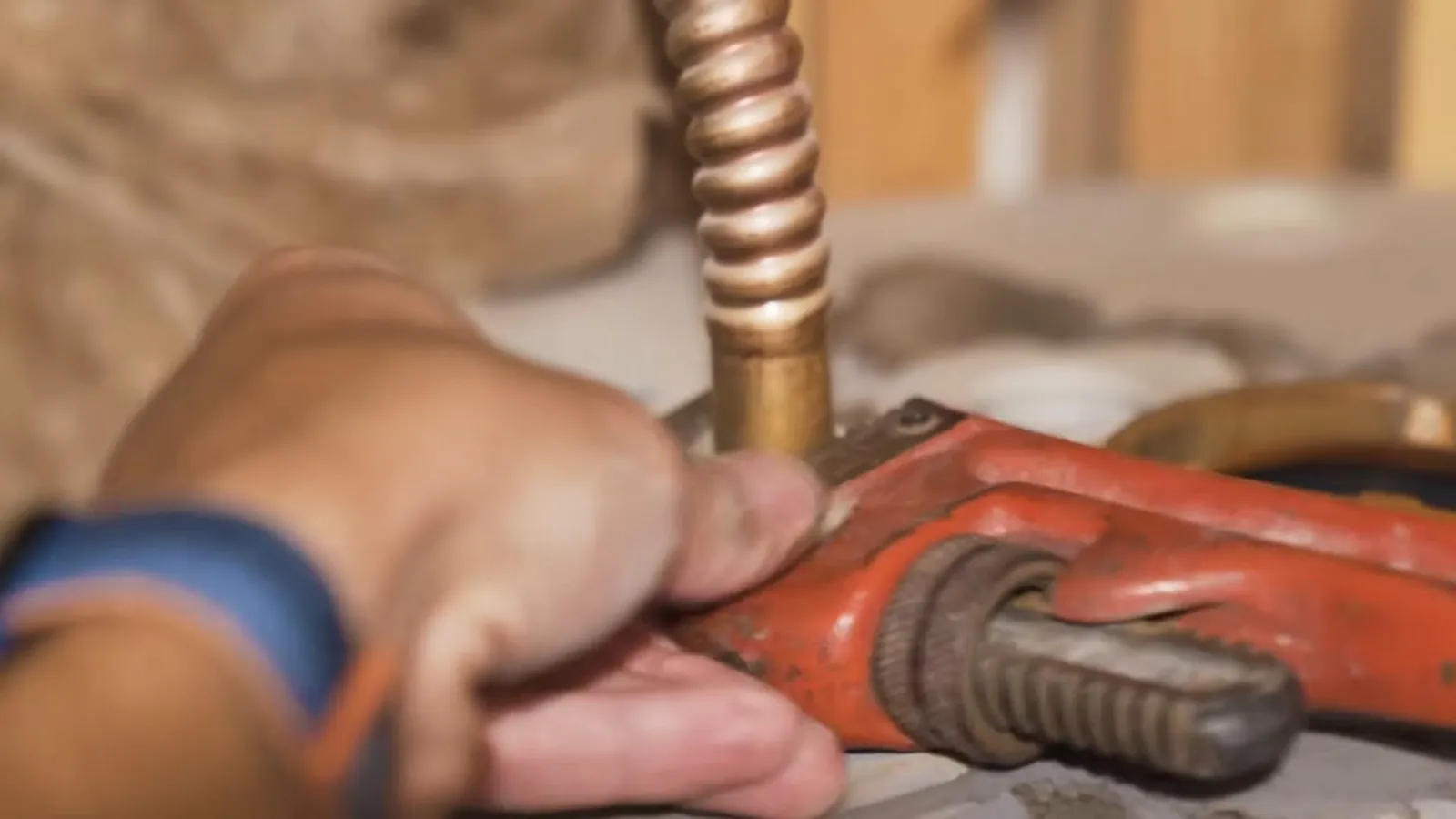
If you smell gas: the order of calls that keeps you safe
A gas smell is the one plumbing problem where waiting to compare options is the wrong move. Natural gas has an added odor so leaks can be noticed, and a leak inside a house can reach an ignition source without warning.
- Leave the house and take everyone with you, including pets if you can do so quickly.
- Do not switch lights or appliances on or off, use a phone inside or light anything.
- From outside or a neighbor's home, call 911 or your gas utility's emergency line. For Washington Gas customers that is 844-927-4427.
- Stay out until the utility says the house is safe.
- Call a plumber for the repair after the utility has finished.
A plumber is not the first call for a gas smell, even though the repair eventually belongs to one. The utility can shut off and test the supply, and that has to happen before anyone starts a repair.
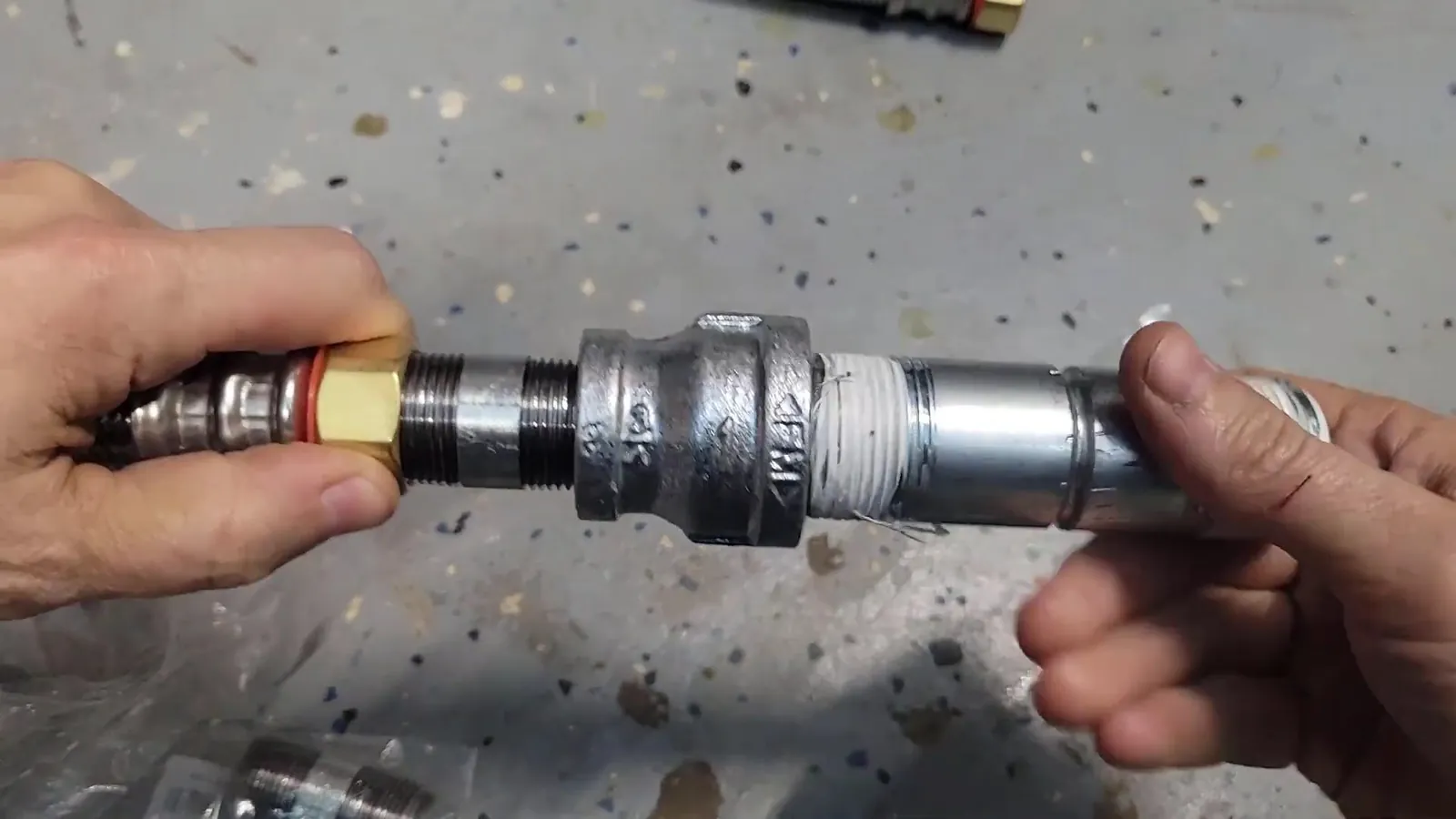
The meter is the dividing line between the utility's pipe and yours
Washington Gas states that each customer is responsible for maintaining the gas piping on the customer's side of the meter, above ground and below. The utility looks after the meter and the service line that feeds it. That boundary decides who you call when something seems wrong without a strong smell.
| Where the problem is | Who handles it | What you do |
|---|---|---|
| Smell of gas anywhere, or a hissing sound | The gas utility and 911 | Leave, then call from outside |
| The meter, its regulator or the line up to the meter | The gas utility | Call the utility's line |
| Piping inside the house or buried on your side of the meter | You, through a WSSC-licensed plumber or gasfitter | Arrange a repair after the utility clears the site |
| A gas appliance that will not light or shows a fault code | You, through a plumber or the appliance technician | Turn the appliance off and call |
If your home uses propane instead of natural gas, the propane supplier's emergency line replaces the utility's in the table above.
Need gas piping work done?
Say what you were told by the utility and what appliance or piping is involved. A plumber serving your area takes it from there.
Which gas jobs need a WSSC permit, and who may do them
In Montgomery County and Prince George's County, WSSC Water issues plumbing and gas permits and inspects the work. WSSC says most plumbing projects, and all gas work such as furnace, gas water heater and gas appliance replacements, should be done by a WSSC-licensed plumber or gasfitter.
That covers the jobs homeowners most often call about: running a new line for a range, a dryer or a fire pit, replacing a gas water heater, moving an appliance and repairing leaking piping inside the house. A permit is required when a gas appliance is installed or replaced, and WSSC lists water heaters, tank or tankless, among them.
- Replacing a gas water heater: see water heater replacement permit steps.
- Adding a gas line for a new appliance: ask the gasfitter to confirm the permit before starting.
- Repairing a leak found by the utility or an inspector: the repair is yours to arrange.
- Moving or replacing a gas range, dryer or furnace: the same permit and inspection rules apply.
You can verify a license with WSSC at 301-206-8588, or through the WSSC plumber lookup. WSSC's Permit Services number is 301-206-4003.
What the inspection involves and who schedules it
After a gas appliance is installed or replaced, a WSSC plumbing inspector must inspect the work within 10 business days. Inspections run Monday through Friday between 7:30 a.m. and 2:30 p.m., with exceptions for holidays and weather, and they can be scheduled up to three business days in advance.
The licensee, meaning the master plumber or gasfitter who holds the permit, is responsible for having the inspection performed. WSSC says the licensee should discuss the required inspection with you before starting work. If the inspection does not happen in the window, the licensee must tell WSSC. A missed inspection can affect the manufacturer's warranty on the appliance as well as the licensee's own one-year warranty, which runs from final approval.
The practical step is to ask two questions before work starts: who pulls the permit, and who books the inspection and when. Get the answers in writing on the estimate, because an inspection that never happens is a problem you may not notice until you try to claim a warranty or sell the house.
Signs of a piping problem besides the smell
A strong smell is the obvious sign, but gas piping can show smaller symptoms first. None of them is a reason to investigate it yourself. Each is a reason to call the utility or a gasfitter and describe what you noticed.
- A faint or intermittent odor near an appliance, the meter or a basement wall.
- A hissing or whistling sound near a gas pipe or appliance connection.
- A pilot light that keeps going out, or a flame that burns yellow or orange instead of blue.
- Corroded, flaking or damaged piping or connectors where you can see them.
- Dead patches of grass or bubbling in wet ground along a buried line.
Washington Gas recommends that customers periodically check the piping on their side of the meter for leaks and corrosion, and have unsafe conditions repaired by a licensed natural gas contractor. Describe what you saw and where, so the right person can respond quickly.
Questions to ask a gasfitter before work, and records to keep
A gas repair has more paperwork than most plumbing jobs, and the paperwork is what protects you. Ask these before you agree to anything.
- What is your WSSC license number, and may I verify it with WSSC?
- Is a WSSC permit needed for this job, and who is pulling it?
- Who will schedule the inspection, and when will it happen?
- What exactly will be done, and what is the price, written down, after your diagnosis?
- What warranty applies to the work, and what does a missed inspection do to it?
Keep the permit number, the inspection result and the invoice together. Typical gas work price ranges are on the cost page, and answers about permits and licensing cover the rules that apply across plumbing jobs in Montgomery County.
Gas piping, permits and meters: common questions
I smell gas in my Potomac home. Who do I call first?
Leave the house right away, without switching anything on or off, and call 911 or your gas utility's emergency line from outside. For Washington Gas customers that is 844-927-4427. Call a plumber for the repair only after the utility has made the situation safe.
Who is allowed to repair or replace gas piping in Montgomery County?
WSSC states that gas work in Montgomery County should be done by a WSSC-licensed plumber or gasfitter, and that a WSSC permit and inspection are required for gas appliance installations. Ask for the license number before work begins.
Is the gas line to my house my responsibility?
Washington Gas says each customer is responsible for the gas piping on the customer's side of the meter. The meter and the service line up to it belong to the utility, so a problem there is a call to the utility, not a plumber.
Gas piping help starts with one call
If you smell gas, leave first and call 911 or the gas utility. For repair work, a plumber serving your area takes it from there.