
Travilah, MD · Serving the Potomac, MD service area
Emergency Plumber for Travilah Homeowners: Public Sewer or Septic Decides Who Can Help
Travilah has larger lots, a mix of fuels and homes that may be on septic. This page helps you work out what applies to your address before you call.
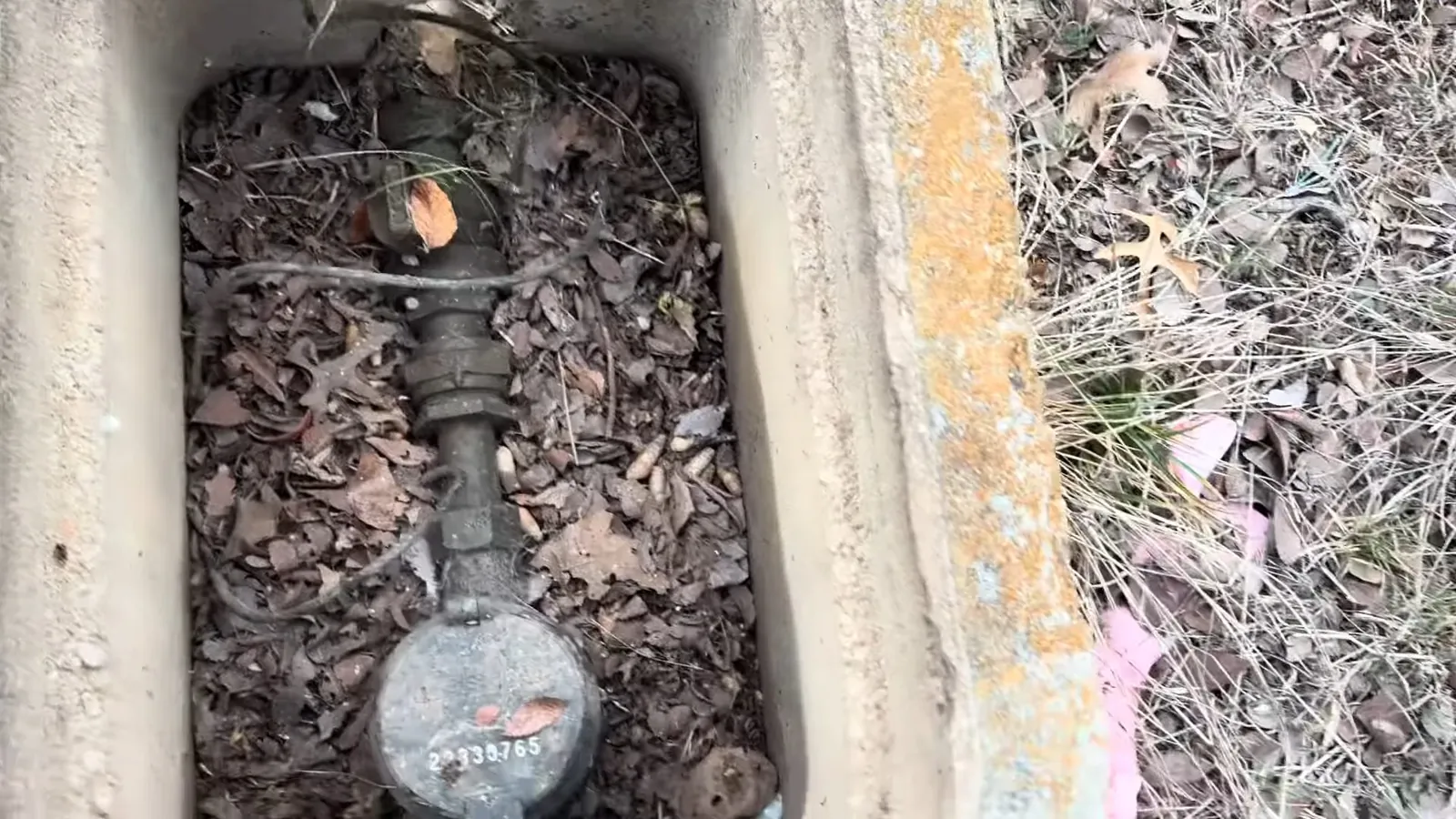
Public sewer or septic: settle it before you call about a drain
Travilah is one of the more rural parts of the Potomac area. Montgomery Planning's Potomac Subregion Master Plan says the area's dependence on septic systems has kept its neighborhoods low-density, and that Travilah's one commercial area is served by a septic system. The plan says most Glen Hills lots were established in the 1950s and 60s using septic systems.
That is a 2002 planning document about a planning area, not a map of your lot. Some Travilah homes are on WSSC sewer, and some are not. The sewer category for your address settles it.
| Your home | Who handles a backup | What this site covers |
|---|---|---|
| Public sewer | A plumber, who reports to WSSC if the main is blocked | Drain, lateral and fixture work |
| Septic tank and drain field | A septic contractor | Not the tank or field; plumbing inside the house, yes |
| Well water | A well contractor for the pump and well | Fixtures, heater and pipes inside the house |
Ask Montgomery County DEP for your address's sewer category. On public sewer, WSSC says the owner maintains the service from the property line to the building, and repairing a failed sewer line applies. On septic, a septic contractor is the right first call.
Nine in ten Travilah homes are owner-occupied detached houses
The 2020 Census counts 93.3 percent of occupied Travilah homes as owner-occupied, and the 2020-2024 survey estimates 88.0 percent of units are detached. Almost no one here is a renter, and almost no one shares a pipe with a neighbor.
That makes every decision an owner's decision. The questions that matter are about the house itself: how old it is, what fuel it uses and how long the service line is.
- Which fuel does the water heater use?
- How far is the house from the street or the well?
- Is the system public sewer, septic or both?
- What do you know about the pipes?
Leak at a Travilah property?
Close the nearest shutoff and call. Give us your street address.
Gas, electric, oil or propane: tell us the fuel
The 2020-2024 survey estimates that 55.2 percent of Travilah homes heat with utility gas, 27.2 percent with electricity, 9.4 percent with fuel oil and 3.9 percent with propane. Heating fuel is not water heater fuel, so read the tank label.
On a gas heater, expect a WSSC permit and inspection, with a WSSC-licensed individual doing the work. WSSC's pages do not address electric replacements, so ask at 301-206-4003. A gas odor means getting out and calling 911 or the gas utility. Oil-fired boilers and furnaces are heating work, not plumbing.
Deciding whether the tank can be saved comes before picking a replacement heater.
Travilah on the map: Travilah Road and ZIP 20854
Travilah sits next to Potomac. The Census Bureau puts about 74 percent of its land in ZIP 20854, which is covered for calls to this number, about 17 percent in 20850 and about 9 percent in 20878. Give your street address when you call and we confirm.
Septic or well on the property: what a plumber can still do
A septic or well property still has a plumbing system inside the house. The water heater, the fixtures, the supply lines and the drains to the tank are plumbing, and they follow the same rules as any other house. The tank, the drain field and the well pump do not.
Say which system you have when you call, so we can tell you what a plumber can do. A septic contractor handles the tank and field. A well contractor handles the pump and the well.
- Tell us whether the house is on septic, well or both.
- Ask the plumber where their work ends and the septic or well contractor's begins.
- Do not pour drain cleaner into a septic system without asking the septic contractor.
- Keep the septic and well records with the house file.
Travilah's 1990s homes and how large lots change a repair
Only about 32 percent of Travilah's units were built before 1980. The largest share, about 33 percent, went up in the 1990s. That is newer than most towns near Potomac, so a failing pipe is more often a localized problem than a worn-out system.
Large lots change the repair in one way: distance. Montgomery Planning describes the area's low-density, single-family zoning, so service lines and cleanouts can sit far from the house. Ask for the footage in any quote.
- How long is the service line, and where does it run?
- Where is the main shutoff and the cleanout?
- Does the leak sit under a driveway or a lawn?
- Is it a repair of one run or the whole line?
A leak you cannot see is common on a long line, and tracing a hidden underground leak comes before digging. If the pipe has failed, a split water line is a first-response problem.
Septic, sewer and large-lot questions in Travilah
Is my Travilah home on public sewer or septic?
It varies. Montgomery Planning's master plan says Travilah's dependence on septic systems has shaped its low-density neighborhoods, and Glen Hills was largely built with septic. Ask Montgomery County DEP for the sewer category of your address before you call about a drain.
Do you work on septic systems and wells?
No. Septic tanks, drain fields and wells are outside what this site covers, and a septic contractor is the right call. A plumber can still handle the water heater, fixtures and supply lines in the same house.
Which ZIP code is Travilah?
The Census Bureau's place-to-ZIP file puts about 74 percent of Travilah's land in ZIP 20854, about 17 percent in 20850 and about 9 percent in 20878. Give your street address when you call and we confirm.
My Travilah house uses fuel oil. Can you help?
Oil-fired boilers and furnaces are heating work, not plumbing. The survey estimates 9.4 percent of Travilah homes use fuel oil, but the water heater, fixtures and pipes in those homes are still plumbing jobs.
Leak or backup at your Travilah home?
Call with your street address and say whether you are on public sewer or septic. We tell you whether we can send a plumber.