
Potomac, MD · Montgomery County
Water Bill Up With Nothing Running? Leak Detection in Potomac, MD Starts at the Meter
A rising bill or a damp wall with no visible cause is a detective problem. This page walks through the meter, the toilet test and the questions to ask a plumber who uses detection equipment.
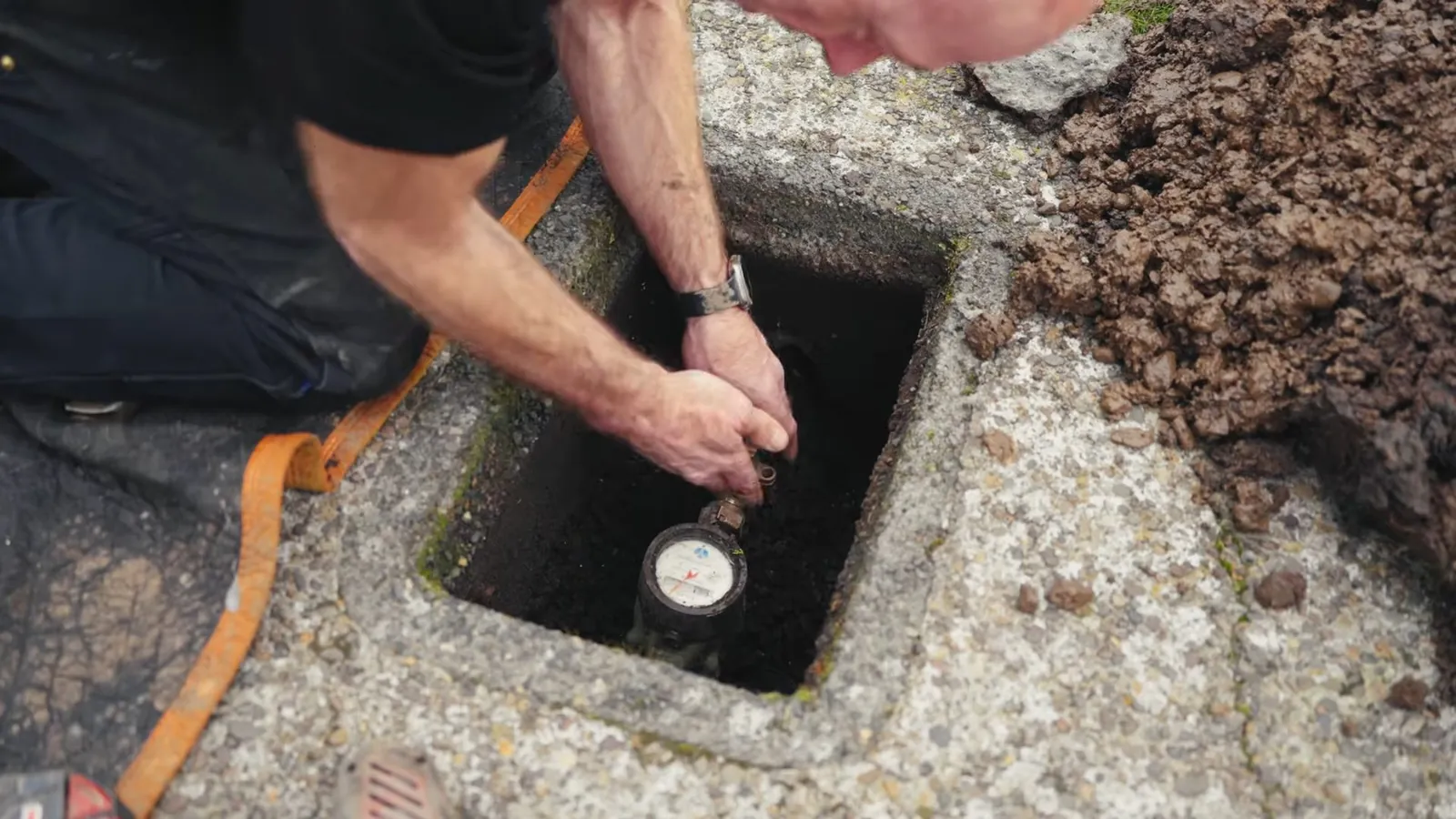
Is it a leak or just high use? Start with the meter
A water bill that jumps can mean a leak, a seasonal change in use or a billing estimate. The way to tell is the water meter, because a meter reports what actually passed through, and it keeps reporting at night when you are not looking.
Pick a time when everyone is away or asleep. Close every faucet and make sure the dishwasher, washing machine, ice maker and irrigation system are idle. Then read the meter before bed and again in the morning, writing both numbers down.
- If the two readings match, nothing is leaking, and the bill has another explanation.
- If the reading moved with every fixture idle, water is leaking somewhere on your side of the meter.
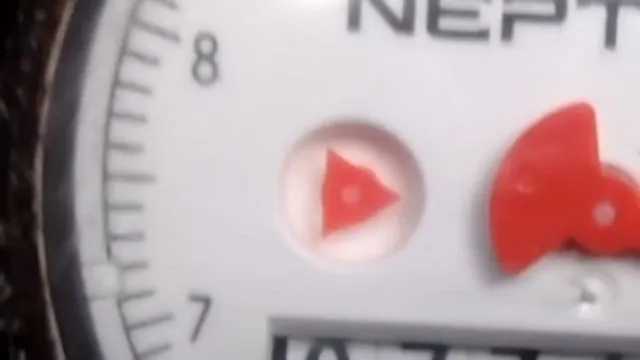
- Many meters have a small low-flow indicator, a dial or triangle that turns with even a tiny flow. If it is moving when nothing is on, treat that as a leak.
- Read the meter, but never turn or adjust it. It belongs to the utility.
A meter that moves tells you a leak exists. It does not tell you where. The next questions are whose side of the line it is on and whether it is inside the house.
Which side of the line: WSSC's, the yard's or inside the house?
WSSC Water maintains the water service from its main to the property line. A leak there is WSSC's to repair, and its 24-hour emergency line is 301-206-4002. A leak between the property line and your house, or anywhere inside it, belongs to the owner.
A simple test narrows it. Close the main shutoff valve at the house and look at the meter again. If it keeps moving, the leak is between the meter and your shutoff, in the service line. If it stops, the leak is inside the house or on the plumbing it feeds.
| Meter with house shutoff closed | Likely location | Next step |
|---|---|---|
| Still moving | The service line between the meter and the house | Call a plumber; call 811 before any digging |
| Stopped | Inside the house, including pipes under floors and in walls | Check fixtures first, then call for detection |
| Stops only after the irrigation supply is closed | The irrigation line, if it runs off the house supply | Leave it closed and retest |
If digging is needed to reach a leaking line, Miss Utility's 811 service marks public utility lines before digging, and it does not mark private lines such as sprinklers. Tell the plumber about any irrigation or lighting lines in the yard before the first shovel goes in.
Inside the house: toilets, fixtures, then hidden lines
Most household leaks are simple ones. Check the likely culprits before paying for detection equipment, because a small repair is a better outcome than a long search.
- Toilets: add a few drops of food coloring to the tank and wait 15 minutes without flushing. Color in the bowl means a leaking flapper.
- Faucets and supply lines: look under sinks and behind toilets for drips, rust or a damp cabinet floor.
- The water heater: check the base and the relief valve line for moisture or mineral crust.
- Appliance hoses: inspect the washing machine and dishwasher connections.
- Walls and ceilings: look for stains, bubbling paint or warm spots, especially under bathrooms.
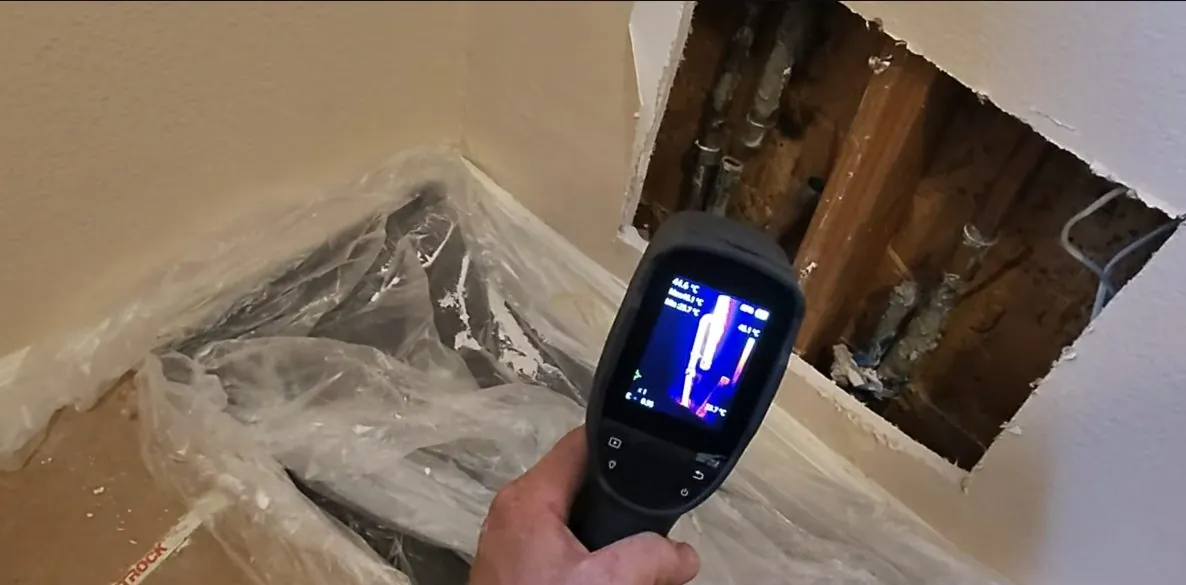
If all of these check out and the meter still moves, the leak is probably in a concealed line, in a wall, a ceiling or under a floor. That is when detection equipment earns its keep.
Meter moving and nothing visible?
Tell us what you found. It routes you to a plumber serving your area.
What leak detection actually involves
A technician tries to find a leak without opening walls. Acoustic tools listen for the sound water makes escaping a pressurized pipe. Thermal cameras show temperature differences, which helps with hot water lines and radiant heat. Gas tracers and pressure tests isolate sections of pipe. No single tool works everywhere, so ask the plumber what they use and why.
A good result is a location, not just a diagnosis: which line, how deep, and how far from a landmark in the house. A report with a measured position lets the repair target one spot instead of exploring.
- Which line is leaking, hot or cold, and how was that determined?
- Where exactly is the leak, with measurements from a fixed point?
- What is the leak's likely cause: corrosion, a joint, a connector or movement?
- What does the plumber recommend: spot repair, rerouting or replacement?
- Is the leak the only one, or is the line showing signs of failing elsewhere?
Leaks that are not a plumber's job, and leaks with their own page
A pool or spa that loses water may have a leak in the shell or in its own plumbing, or it may only be evaporating. The usual bucket test is simple. Set a bucket on a pool step, fill it to the same height as the pool, and mark the water level inside the bucket and on the pool wall. After a day, compare: if the pool dropped more than the bucket, the pool is leaking and not just evaporating. Repeating the test with the pump off helps show whether the loss is in the shell or in the pump and return lines. Say on the call that the water loss is at a pool or spa, since not every plumber works on them.
A leak inspection can also be a plain assessment: the plumber checks fixtures, pressure and the water meter, then reports what was found and what to do next, even when no active leak turns up.
Not every wet spot is a plumbing leak. A stain on a ceiling can come from a roof, a window or a gutter. A damp basement wall can come from outside grading or groundwater. A roofer, window specialist or waterproofing contractor handles those, and a plumber's detection work will rule out the plumbing quickly so you can call the right trade.
Some leaks have their own pages. A smell of gas belongs with gas leak safety, and the first call is to the utility. A line that has already split is covered under a pipe that has split. Floor leaks in slab-on-grade rooms are discussed on the slab leak repair page.
Early warning signs, and what ignoring them costs you
Small leaks announce themselves long before they flood. Catching them early limits damage to the structure and to your budget.
- A water bill that climbs without a change in use.
- The sound of water running when everything is off.
- A musty smell, peeling paint or stained drywall near a bathroom or kitchen.
- Warm spots on a floor, or damp carpet that never quite dries.
- Pinhole sprays or green crust at copper joints. Repeated pinholes suggest the pipe itself is aging, so pinhole leaks and repiping is worth reading.
A slow leak left alone soaks framing and insulation, supports mold and can ruin finishes. If water has already spread, drying out the wet area is the next job after the source is fixed. For what detection and repair cost, the leak detection price ranges use wide ranges rather than quotes.
Finding a leak in a store, office or multi-tenant building
In a business, a leak often shows up first as a bill. WSSC offers a One-Time High Bill Adjustment for single-unit commercial properties. To qualify, the average daily use has to be at least three times the comparable figure from the previous season, and the cause has to be unidentified. WSSC says this adjustment does not require a plumber's invoice or a permit, but it does ask for two meter check readings taken at least ten days apart. WSSC Customer Service is at 301-206-4001.
Repairs to underground water lines are a separate matter. WSSC requires them to be done by a registered, licensed WSSC plumber, so a leak found between the meter and the building needs one. Large commercial meters and several tenants on one meter make the search harder than in a house, and the search runs better when it starts with a clear picture of who uses water and when.
- Ask the building manager for the meter location and the last two or three bills.
- Shut off every fixture and process that uses water, then watch whether the meter still turns.
- Tell the plumber about irrigation, cooling equipment, floor drains and any sprinkler connection.
- Note which tenant or unit sits on the meter, since a shared line widens the search.
- Keep the plumber's written finding for the property owner and for any bill adjustment request.
The page names single-unit commercial properties. A building with several tenants may need to ask WSSC how the adjustment applies.
Leak questions homeowners ask before booking
How do I use my water meter to check for a hidden leak?
Make sure nothing in the house is using water, read the meter, and read it again after an hour or two without water use. If the number moved, or the small low-flow indicator is turning, water is leaking somewhere. Read the meter, but do not adjust it.
Who fixes a leak on the street side of my water meter?
WSSC maintains the water service from its main to the property line, so a leak on that part is WSSC's to repair. Call WSSC's 24-hour line at 301-206-4002. A leak between the property line and your house is the owner's to arrange.
Could my high water bill be a running toilet?
Yes, it is one of the most common causes. Put a few drops of food coloring in the tank and wait about 15 minutes without flushing. If color shows up in the bowl, the flapper is leaking into it, and the repair is small.
Think you have a hidden leak?
Tell us what the meter did and what you noticed. It routes you to a plumber serving your area.