
Potomac, MD · Montgomery County
Toilet Running, Clogged or Rocking? Toilet Installation and Repair in Potomac, MD: Fix It or Replace It
A toilet that runs, clogs or rocks has a short list of causes. This page helps you test for each, decide between repair and replacement and understand what moving a toilet involves.
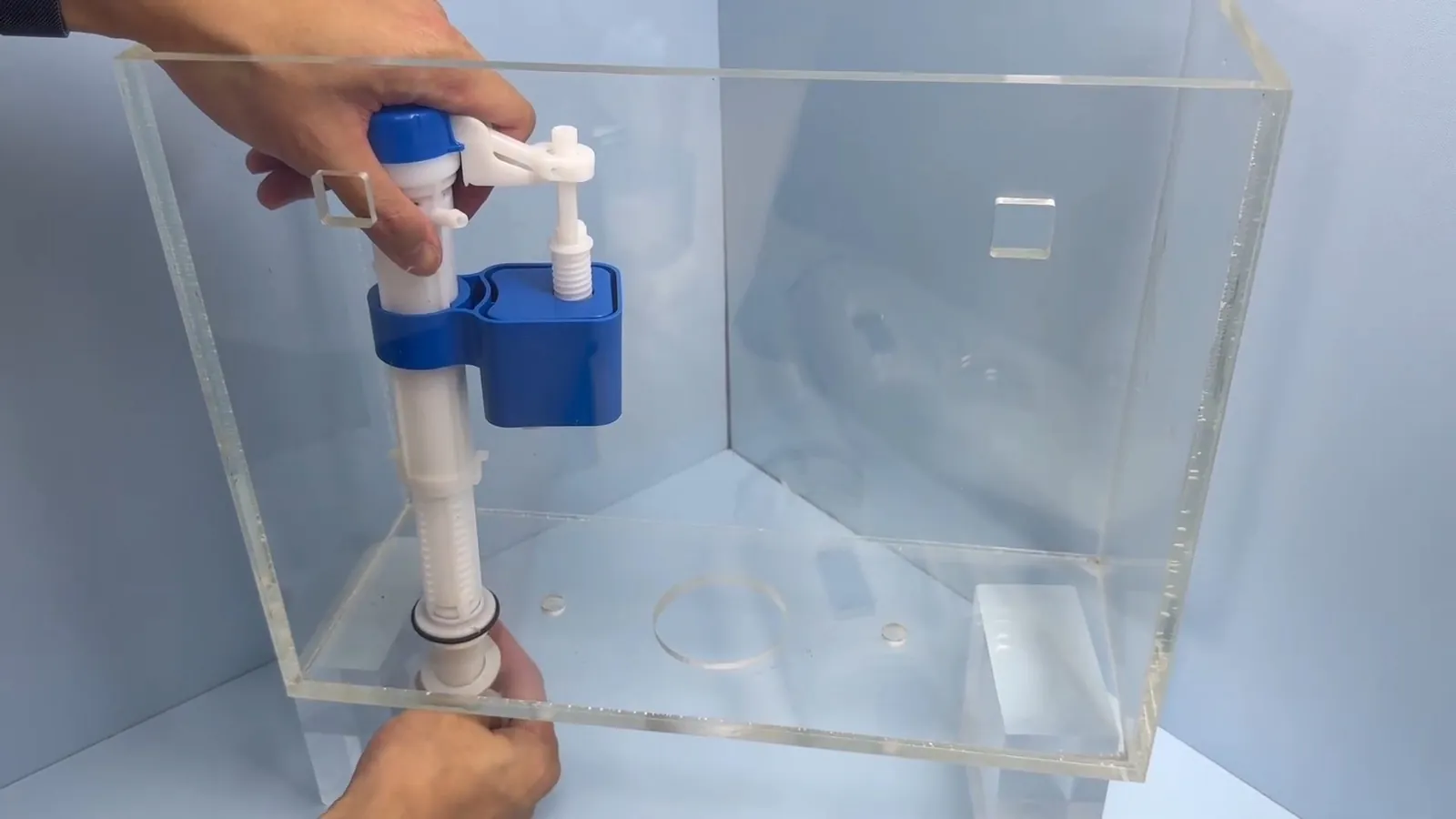
Running toilet: the dye test and the two parts that fail
A toilet that runs after flushing, or refills every few minutes by itself, is the most common bathroom complaint and one of the cheapest to fix. It is also a frequent cause of a surprising water bill, because a silent leak runs all day and night.
Lift the tank lid and drop a few drops of food coloring into the tank. Wait about 15 minutes without flushing. If color appears in the bowl, the flapper is leaking and the fix is a new flapper. If the water level in the tank sits above the overflow tube, the fill valve is not shutting off.
- Flapper that no longer seals: replace it, matching the size and type.
- Fill valve that keeps running or refills slowly: replace the fill valve.
- Chain tangled or too tight: adjust it so the flapper closes fully.
- Float set too high: lower it so the water stops below the overflow tube.
These repairs take little time, and a plumber can do them quickly. Hard water scale shortens the life of both parts, so a toilet that needs a new flapper every couple of years in a hard-water area is behaving normally.
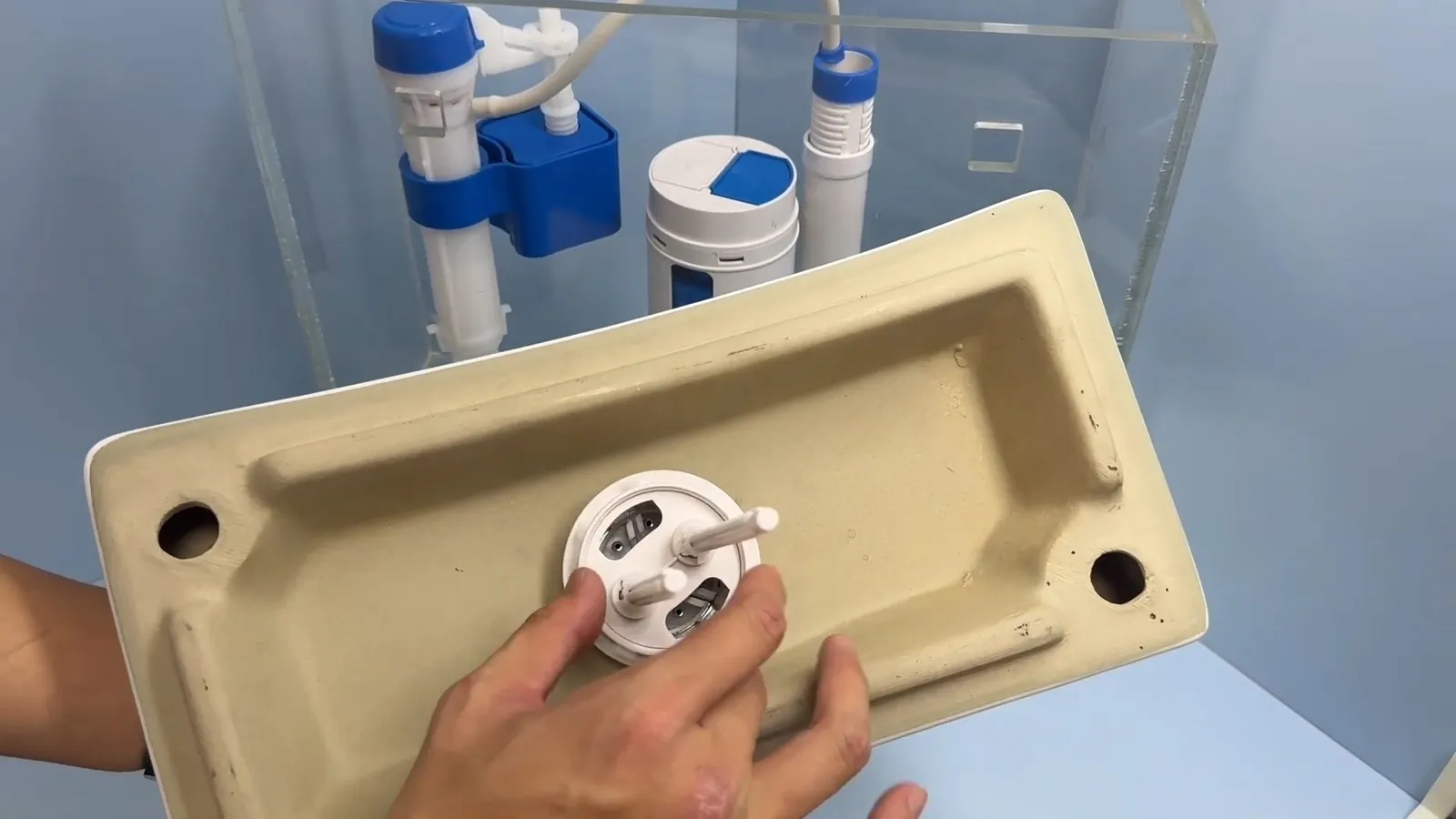
Clogged toilet: a safe plunge, and when to stop
A flange plunger and a steady rhythm clear most toilet clogs. Cover the drain opening fully, push down slowly to avoid splashing and pull back up sharply. Repeat several times before judging whether it worked.
- Do not flush again if the bowl is full, because it will overflow.
- Shut the supply valve behind the bowl if water keeps rising.
- Avoid chemical drain cleaners in a toilet. They rarely work and leave harsh liquid behind.
- Stop and call when other drains are slow or when sewage appears in a tub or floor drain.
A toilet that clogs alone usually has a problem in the toilet or its trap. A toilet that clogs along with other fixtures has a problem in the line, and drain cleaning for the whole line is the next page to read.
Toilet down and water rising?
Close the supply valve and call. A plumber serving your area takes it from there.
Rocking or leaking at the base: the wax ring and the floor
A toilet seals to the drain with a wax or foam ring under the base. If the toilet rocks, the seal can break. The signs are water at the base after flushing, a smell of sewer gas or a base that moves when you sit down.
The usual fix is to remove the toilet, replace the wax ring and reset it on the flange, tightening the closet bolts evenly. Check the floor around the flange for softness, because a long leak can rot the subfloor, and that is a bigger repair than a wax ring.
- Rocking only: tighten the bolts evenly, and shim the base if the floor is uneven.
- Water at the base after a flush: replace the wax ring.
- Soft, stained or spongy floor around the toilet: stop using it and have the subfloor checked.
- A cracked bowl or base: replace the toilet.
Repair or replace the toilet
A toilet that needs a flapper is worth repairing. A toilet that needs a flapper, a fill valve, a wax ring and a seat in the same year may not be. Replacement also makes sense for a cracked bowl, an old high-volume model, or a toilet that is hard to keep clean.
- Is the toilet cracked, stained beyond cleaning or too old to find parts for?
- How many repairs has it needed in the past two years?
- Do you want a taller bowl, a different shape or a dual-flush model?
- Are the shutoff valve and supply line in good shape, or do they need replacing too?
A dual-flush toilet offers a short and a long flush on the same tank. It suits households that want to use less water, and it installs like any other toilet when the rough-in distance matches. Ask the plumber to measure the rough-in before you buy, so the new toilet fits the existing flange.
Installing or moving a toilet
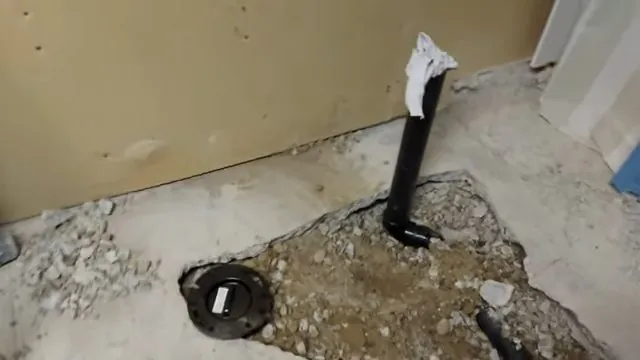
Replacing a toilet in the same spot is a straightforward installation. The plumber removes the old toilet, checks the flange, sets a new wax ring and connects the supply. The questions that matter are the rough-in size, the flange condition and whether the supply valve is worth replacing.
Moving a toilet is different. It changes the drain and vent piping, and that is real plumbing work. WSSC allows homeowners limited plumbing work under Section 106.9 of its code, but it requires most projects to be done by a WSSC-licensed plumber. Before relocating a toilet, ask who will pull the permit, or confirm with WSSC Permit Services at 301-206-4003.
- What is the rough-in distance, and does the new toilet match?
- Is the flange sound, or does it need a repair ring?
- Are the shutoff valve and supply line being replaced?
- If the toilet is moving, who pulls the permit and who books the inspection?
A running toilet is a common cause of a high bill, and hidden leak checks at the meter help you rule out other sources. For wide ranges on repair and replacement, see the toilet repair and installation costs.
Questions about running, clogged and rocking toilets
Why does my toilet run on its own without being flushed?
A flapper that no longer seals lets tank water leak slowly into the bowl, and the fill valve refills it from time to time. Replacing the flapper is a small, common repair. A fill valve that sticks or a float set too high can also cause it.
What does it mean if my toilet rocks when I sit on it?
The base is loose or the floor is uneven. A loose base can break the wax ring seal, which leaks sewer gas or water at the floor. Tighten the closet bolts evenly, and if the base still rocks or the floor is wet, replace the wax ring.
My toilet clogs repeatedly. When should I call a plumber?
Call when plunging works only briefly, when other drains also back up, or when water is coming up in a tub or floor drain. Those signs point past the toilet to a branch or main line, which is covered under drain cleaning.
Toilet out of order?
Close the shutoff behind the bowl and call. A plumber serving your area takes it from there.